Dec 15, 2025
Tips Black men can use to get rid of dry skin
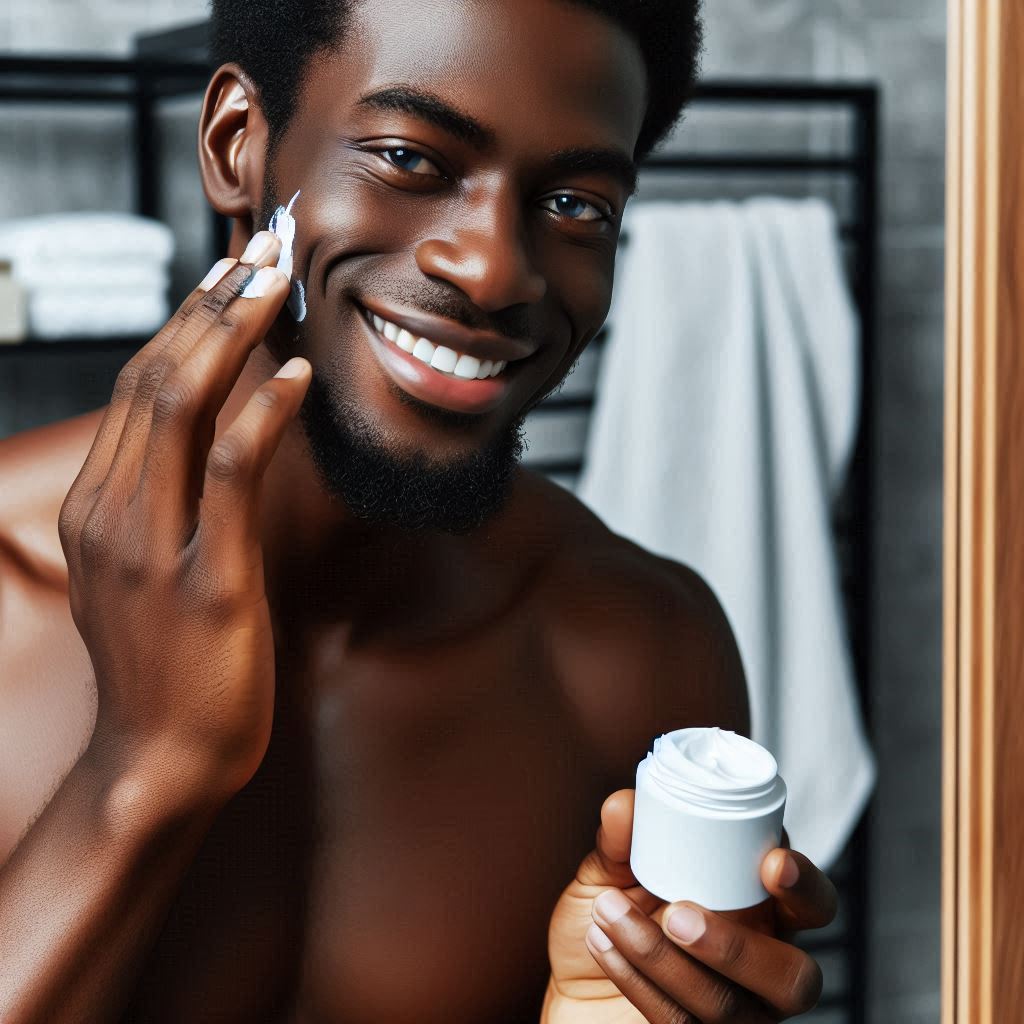
Image Source: Bing Image Creator
Tips Black men can use to get rid of dry skin
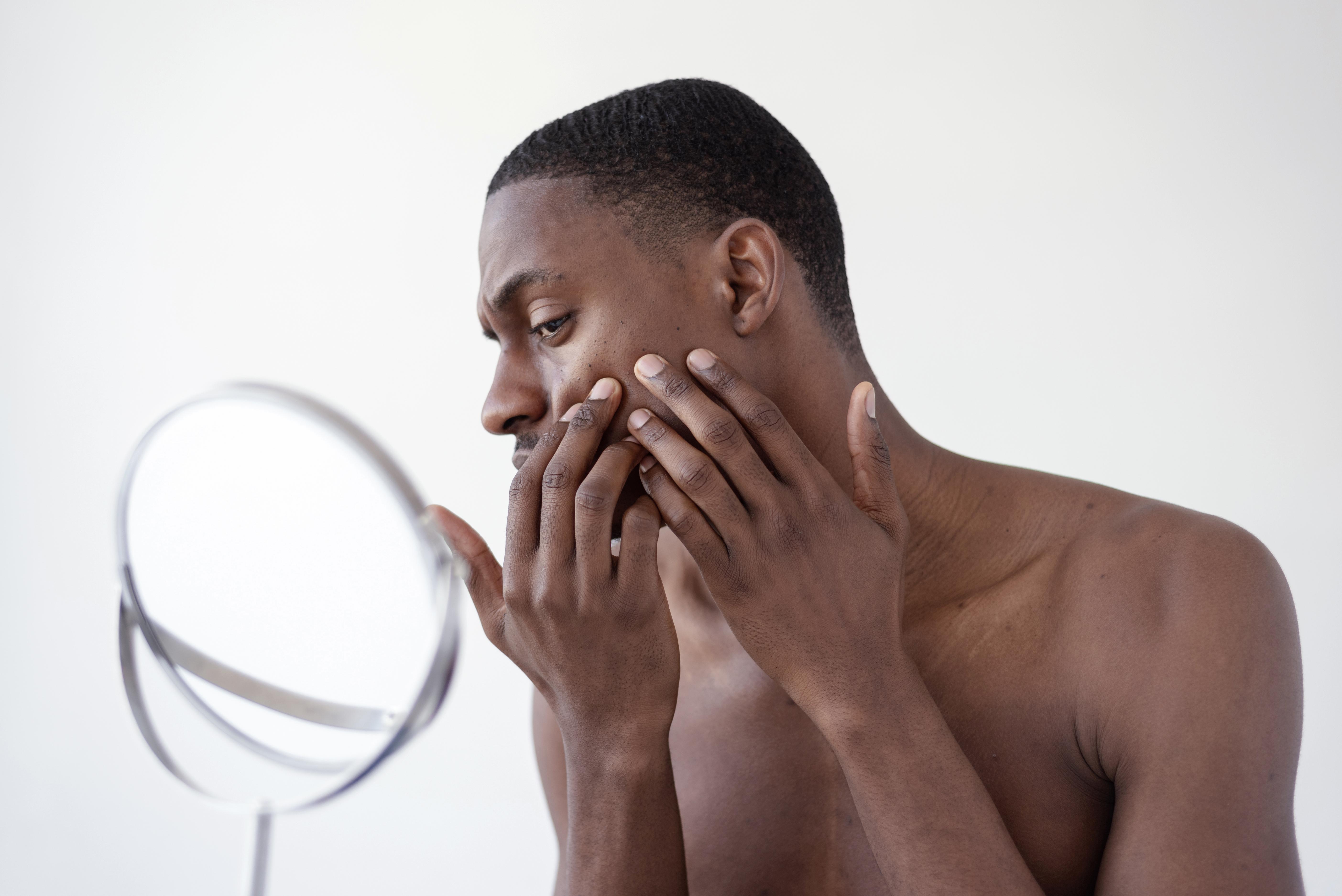
In the skincare realm, solving the puzzle of dry skin seems universal. However, the truth is that skin requirements differ deeply based on factors such as genetics, climate, lifestyle, and, unsurprisingly, skin colour. This article particularly pays attention to black men, who often struggle with dry skin and are in quest of practical solutions to address this issue.
Understanding Black Skin and Dryness
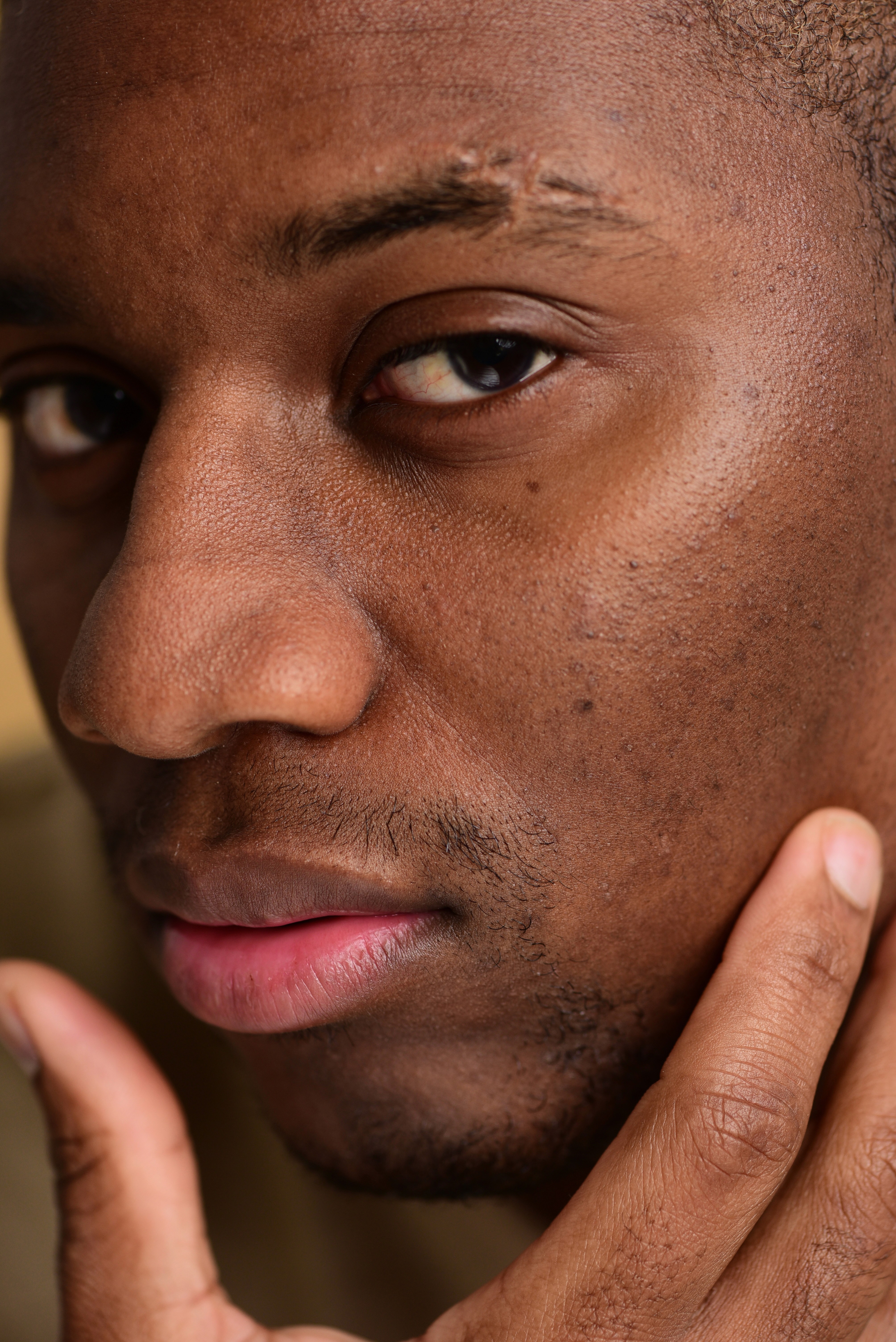
There's often a misconception that black skin doesn't get dry, although science suggests otherwise. In fact, a deep dive into dermatological research reveals key differences between black skin and other skin types that make it unique, not least its proclivity for dryness and certain skin conditions. Embracing this understanding can lead to more effective skin care routines and awareness of potential risks.
Atopic Dermatitis Prevalence
Atopic dermatitis, often referred to as eczema, is surprisingly common among the Black community. A large population-based study using primary care data in England found that eczema prevalence is higher among Black ethnic groups compared to white ethnicity
Greater Prone to Dryness
Let's face it. Dryness can make our skin feel uncomfortable and look less vibrant. Black skin presents lower levels of ceramides - a lipid that holds skin cells together. As a result, there's a significant increase in transepidermal water loss, which exposes skin to dryness. You can think of it like an apple slice left out in the open. The slice quickly dehydrates and shrivels up, similar to how the surface of our skin can dry out.
Ultimately, understanding the unique needs and challenges related to black skin is integral to promoting optimal skincare. By acknowledging these key facts, we empower ourselves to develop better care routines, choose effective products, and encourage open conversation about our skin’s needs. It's time to bid dry skin goodbye!
Racial Disparity in Dermatologic Care
Understanding and tackling racial equality is the need of the hour, and one area that often gets overlooked is dermatologic care. Skin conditions can significantly impact an individual's quality of life. However, not everyone has equal access to the care needed to manage these conditions. Unfortunately, a significant racial/ethnic disparity exists in dermatologic care, and it is a pressing issue that requires attention.
This disparity feels striking, especially considering the diverse skin tones spanning across races. What's more, this lack of equal access can impact the management of skin conditions, particularly in Black men. This calls for a much-needed conversation to address these disparities in healthcare.
The gap in access to dermatologic care for people of colour is a consequence of various factors like socioeconomic status, geographical location, lack of representation among healthcare professionals, and more.
Consider Black men, for instance. The dermatological needs of Black men differ from those of their lighter-skin counterparts due to their unique skin characteristics ✊🏽. Uniqueness, however, should not translate to inadequate care.
Here's a closer look at some significant issues contributing to racial disparity in dermatologic care:
Lack of Representation: The medical field is far from diverse in terms of race and ethnicity, with a notable deficit of Black and other underrepresented medical professionals. This lack of diversity could lead to reduced quality of care for patients from these racial backgrounds due to the unfamiliarity with the unique dermatological needs of different races.
Geographical Barriers: Dermatologists are less likely to be found in neighbourhoods predominantly resided by people of colour. Limited access to specialty care in these locations compounds the problem of racial disparity in dermatologic care.
Dermatologic Research: Historically, skin conditions have been studied on fair-skinned individuals, which fails to fully capture the unique conditions and manifestations in darker-skinned individuals. This bias in research translates to inadequate understanding and treatment of skin conditions affecting people of colour.
"Diversity is being invited to the party; inclusion is being asked to dance." - Verna Myers
Addressing racial disparities in dermatology expands beyond just acknowledging it. As a society, we must take steps to reduce these barriers, from promoting diversity in medical education to advocating for inclusive research practices. Only then can we make strides towards a healthcare system that truly caters to all, regardless of their skin colour. Equality doesn't remain a goal but becomes a reality.
Solutions for Dry Skin in Black Men
Having dry skin can be a frustrating experience, especially with the uncomfortable tightness, itchiness, and rough texture. For Black men, the struggle can be particularly cumbersome due to the unique melanin-rich skin type. Yet, all hope's not lost; advancements in skincare products provide practical solutions for alleviating and even reversing this issue. One remarkable method involves using moisturisers packed with filaggrin and ceramides. When these compounds are harnessed correctly, they can work wonders in treating dry skin.
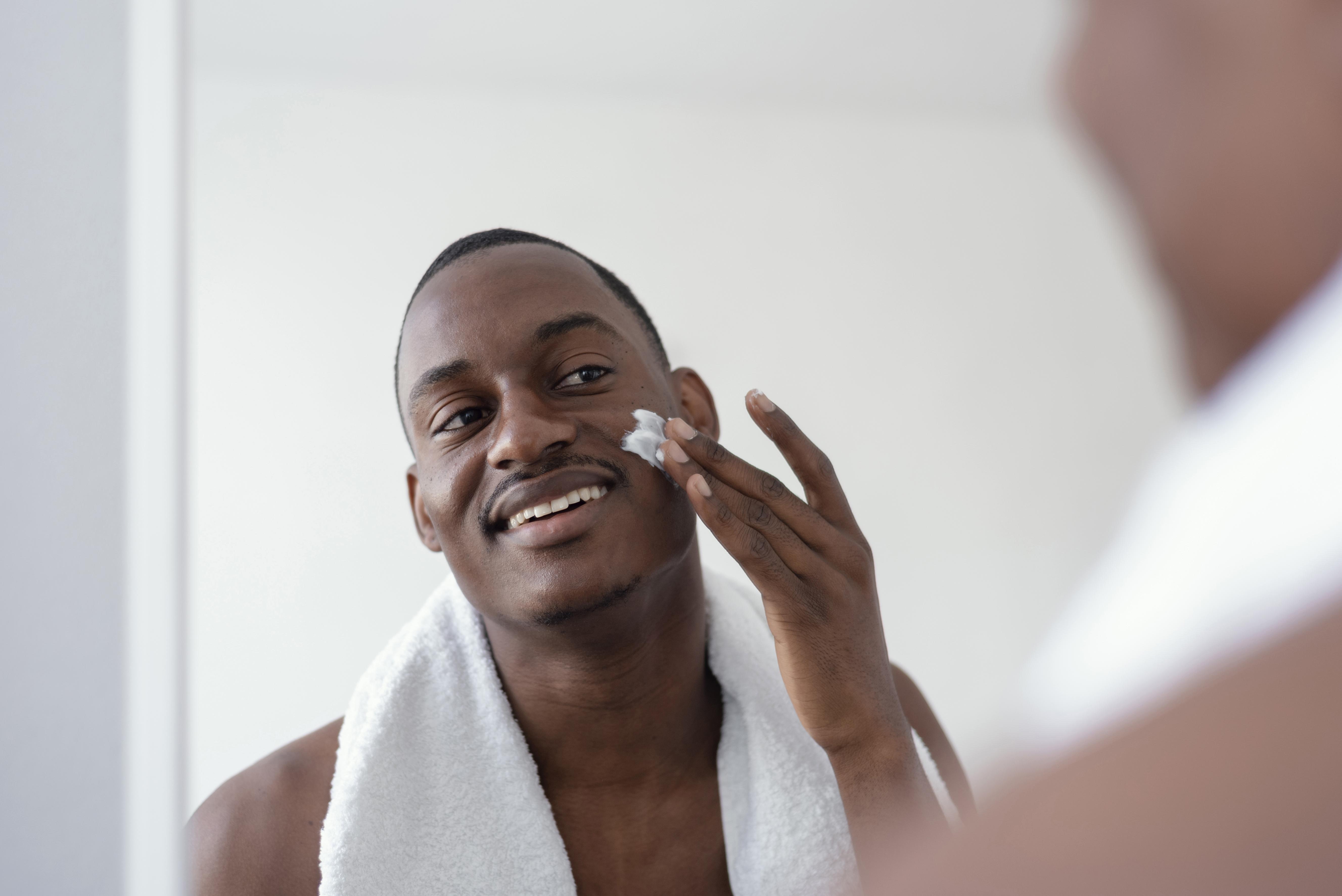
Image Source: Bing Image Creator
Moisturisers with Filaggrin and Ceramides
Understanding the benefits of filaggrin and ceramides for dry skin requires a brief dive into the world of skin biology. On a fundamental level, our skin comprises various components that maintain its structure, integrity, and moisture content. Ceramides and filaggrin are crucial to these functions.
Ceramides essentially hold skin cells together, forming a protective layer that limits moisture loss, and creates a barrier against harmful environmental contaminants.
Filaggrin, on the other hand, is a protein that facilitates natural moisture retention, making it indispensable for skin hydration.
When it comes to formulating moisturisers, the integration of filaggrin and ceramides is scientifically backed. Here's why:
Enhanced Skin Barrier: Together, ceramides and filaggrin bolster the skin's barrier, improving its ability to lock in moisture and prevent dryness.
Accelerated Healing: These ingredients expedite the skin's healing process, making them perfect for rejuvenating dry, damaged skin.
Long-Term Benefits: Regular application of filaggrin and ceramide-based moisturisers imparts persistent benefits, ensuring a healthy skin texture and glow over extended periods.
Now, that’s enough science for the day. Let's put it in simple terms. Imagine applying a moisturiser that not only hydrates your skin but also builds a sturdy wall, keeping that hydration locked in and harmful irritants out. Sounds impressive, right? 🙌 This is precisely what happens when moisturisers rich in filaggrin and ceramides are used consistently.
In summary, using moisturisers incorporating filaggrin and ceramides can offer significant benefits. By preserving moisture and strengthening skin barriers, these skincare gems not only alleviate dryness but also lay the foundation for vibrant, resilient, and hydrated skin. Treating dryness has never been easier or more effective!
Research Gaps in Dermatologic Care
Unveiling the disparity in dermatologic research is more than just a demand for equity; it's a significant element for enriching our medical knowledge and capacity to offer quality care to all patients. Even in our technologically advanced era, one striking but lesser-known issue is the lack of scientific research into ideal treatments for conditions like seborrheic dermatitis on darker skin tones. It's a grim fact that a substantial part of our population doesn't receive the same concentration of medical attention as their fair-skinned counterparts.
The impact of seborrheic dermatitis, a common skin condition that mainly affects the scalp, is different across various skin types. It is infamous for causing red skin and stubborn dandruff. In severe cases, it's not only the silhouette of white flakes that's concerning - it can also cause inflammation and severe discomfort. This creates a pressing need to explore comprehensive treatment strategies that work effectively on darker skin tones.
However, the corners of dermatologic research have fundamental gaps:
While dermatitis on white skin has been extensively studied, there is a lack of focused scientific research on seborrheic dermatitis on darker skin. This inherent shortfall is certainly disconcerting.
The generalised approach, drawn mainly from findings related to white skin, may not always yield the desired results on darker-skinned individuals. A distinct difference in the way the disease presents itself across various skin types only reinforces the need for specialized methods.
Taking a stand against such inequity, various initiatives are trying to advocate for a change, arguing for:
Promotion of diversity in clinical trials: Including participants with darker skin tones would offer a broader perspective into the mix. This encapsulates more accurate findings and effective treatment strategies for all skin types.
Encouraging representation in research: Greater involvement of researchers who personally recognize the importance of this gap can further highlight this matter.
Lastly, it's only fitting to quote Dr. Susan Taylor, a pioneer in raising awareness about skin of colour - "It's not about black skin or white skin, it's about healthy skin". Therefore, it is imperative to fill these research gaps to ensure optimal care for diverse skin types, reinforcing that healthcare inclusivity reaches beyond racial and ethnic lines.
Conclusion
In light of the specific challenges that melanin-rich skin presents and the gaps in dermatologic care for people of colour, finding effective, customised skincare solutions is paramount. Black men face unique obstacles when it comes to battling dry skin, but thankfully, awareness of this problem is growing, and solutions are emerging.
Products tailored to the needs of melanin-rich skin, such as those offered by DABA, present a refreshing change. They are specifically designed to nourish, hydrate, and protect melanin-rich skin, providing essential relief from dryness symptoms like itching, flaking, and discomfort.
Our skincare line, including the hydrating lotion and soothing wash, are exemplary of how science can come together with understanding to create true solutions that address the real concerns of this demographic.
What truly separates DABA from the rest is its commitment to environmental sustainability. Our packaging, ingredient sourcing, and systems all carefully consider the planet, showing that effective skincare doesn't need to come at the expense of our Earth. A brilliant balance indeed!
So, black men suffering from dry skin, take heart. With proper care, the right products, and an awareness of the current state of dermatologic care, a solution is no longer a distant dream. You, too, can flaunt moisturised, soft, and healthy skin all while making a positive impact on our environment. 🌍💚